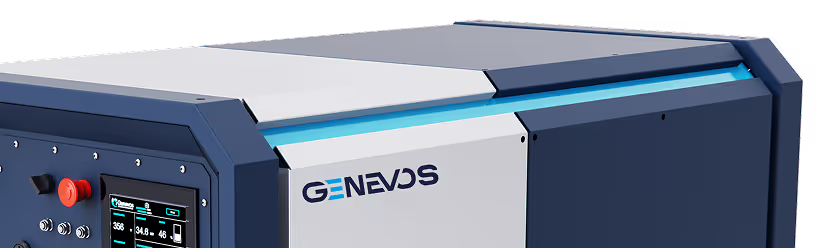
High Efficiency, Fuel Agnostic Marine Fuel Cells
Maritime Transport Deeptech Power Systems Engineered to Significantly Reduce TOTAL COST OF OWNERSHIP

The problem we solve
Traditional generators are inefficient, largely fossil-fuel powered, and damage the climate, oceans, and public health, while new emissions regulations drive unsustainably high operating costs.
CLIMATE & HEALTH
Fuel emissions heat the planet, threaten human and ocean health, and noisy gensets stress marine life and ecosystems.
FUEL EFFICIENCY
Traditional vessel engines are inefficient, using finite fuels wastefully, increasing operating costs, and depleting natural resources.
REGULATION COSTS
The EU mandates an 80% cut in vessel emissions by 2050, with carbon taxes targeting ships over 5,000 GT, which account for 90% of maritime emissions.

The solution
Advanced fuel cell modules
- Fuel agnostic (LNG, bio-methane methanol, hydrogen, adaptable to ammonia)
- 30–40% fuel savings vs. modern LNG ICE gensets
- High efficiency
- Scalable to deep-sea vessels
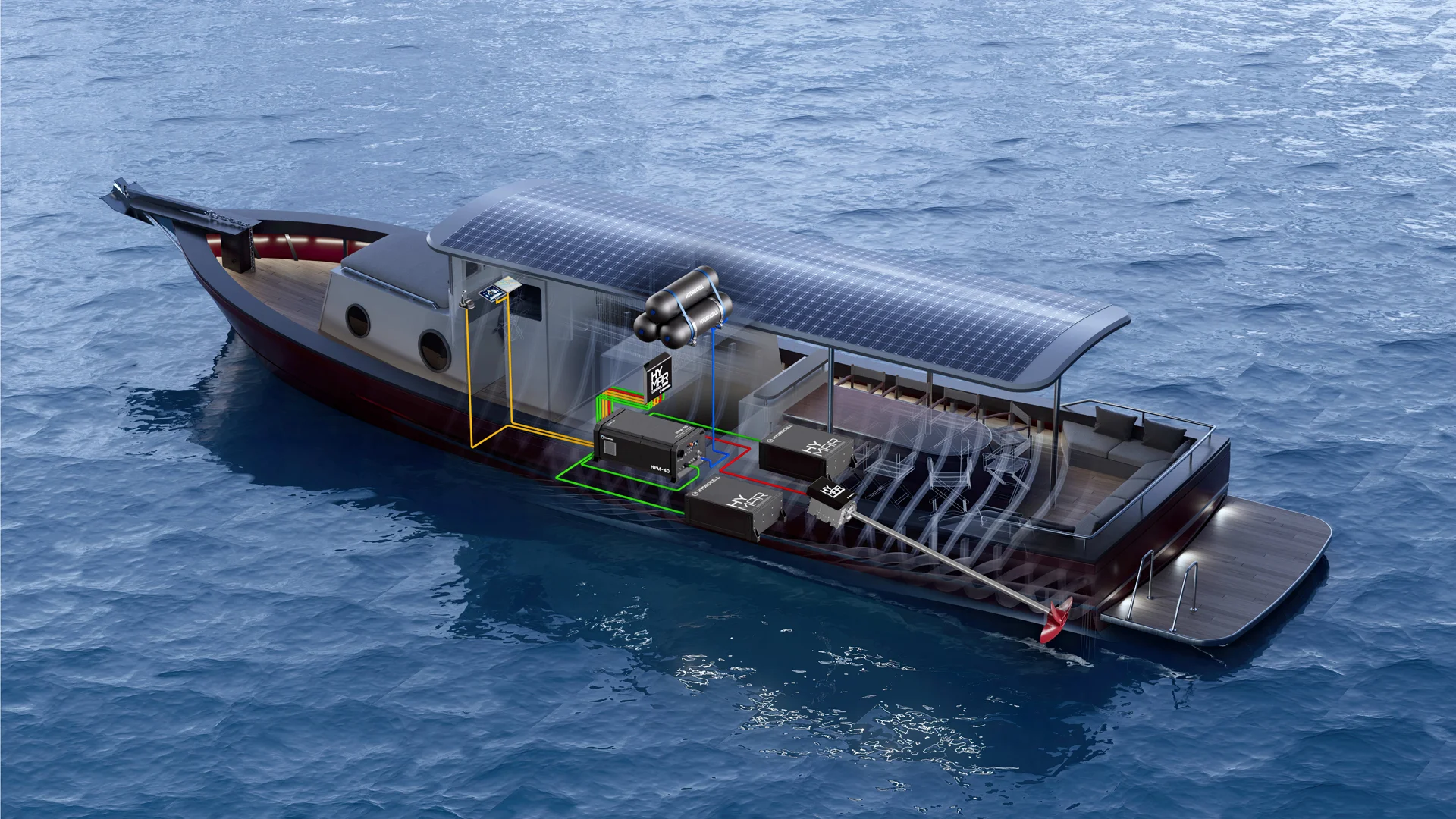
Complete H2-Pack
- Studies: sizing, integration, safety, installation
- Procurement: hydrogen supply & storage
- After sales: remote monitoring & service pack



About us
An agile and ambitious team of individuals taking climate action. Based in the maritime city of La Rochelle, France, we are supported by EU programmes, the region of Nouvelle-Aquitaine, and are backed by the fund Impact Ocean Capital.


Key projects

Passenger vessel
A world-first hydrogen retrofit passenger vessel will be launched in 2025. Genevos further provided a hazard and operability study (HAZOP) to identify and manage hazards in the safety design.

Hydrogen chase boat
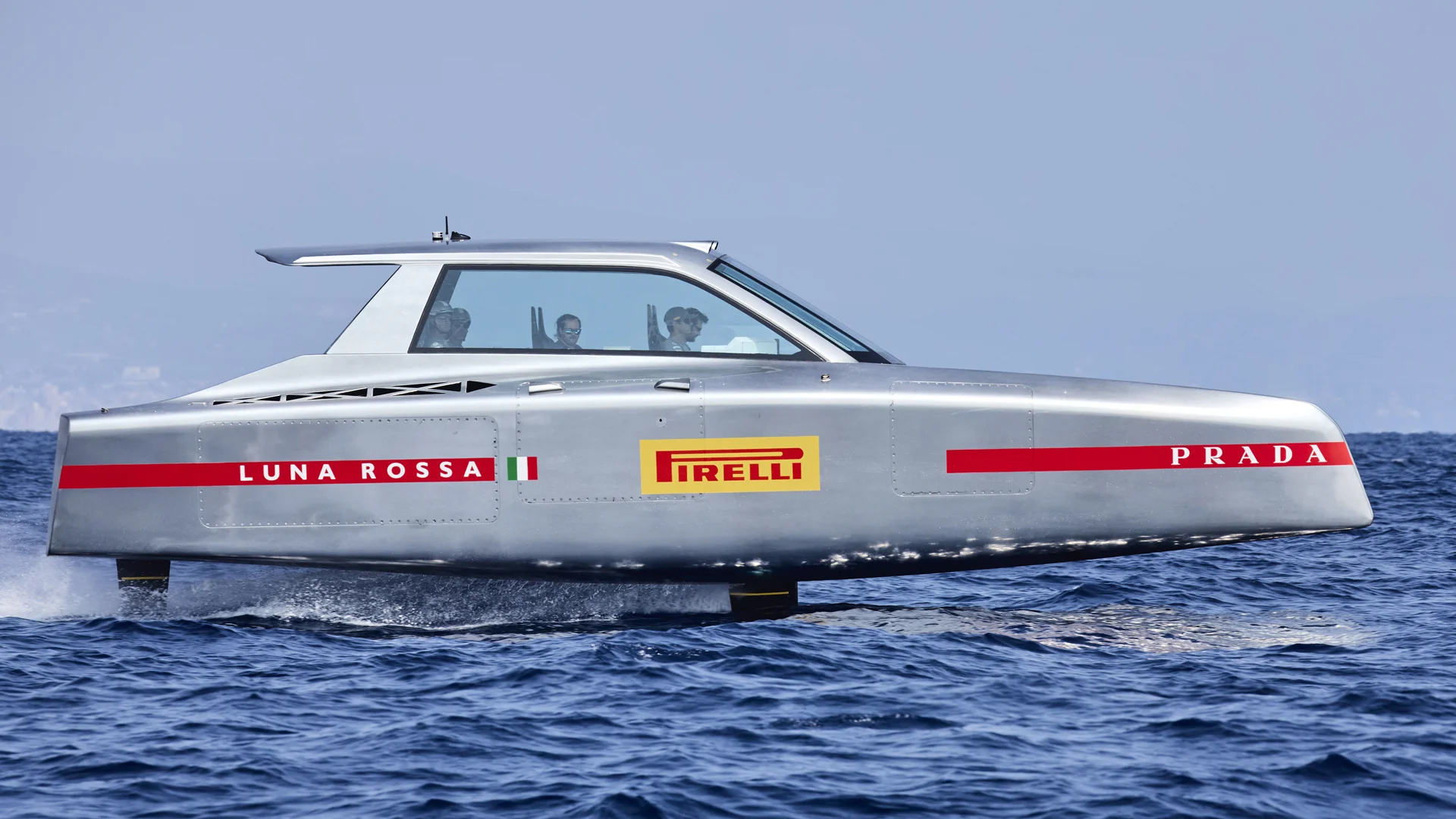
Launched in 2024 and built for the 27th America's Cup, this innovative vessel, validated by maritime classification society Lloyd's Register, reaches speeds of 50 knots.

Workboat 24/7
A first-of-its-kind 42 metre zero emissions waste collector will be operational in the Port of Klaipėda in 2025, the largest port by tonnage in the Baltic States.
They speak about us




Featured news
Configure your hydrogen vessel