Solutions
Genevos develops and deploys fuel agnostic, high-efficiency fuel cell modules to power vessel propulsion and onboard energy systems.
XPM-100
The XPM-100, based on high-temperature Solid Oxide Fuel Cell (SOFC) technology with steel-supported ceramic cells, delivers ultra-high efficiency, exceptional durability and long service life for high-power, energy-intensive vessels. Scalable to the multi-MW range, it offers fuel flexibility—allowing operators to switch between LNG, bio-methane, methanol, hydrogen, and ammonia in line with their decarbonisation strategy.


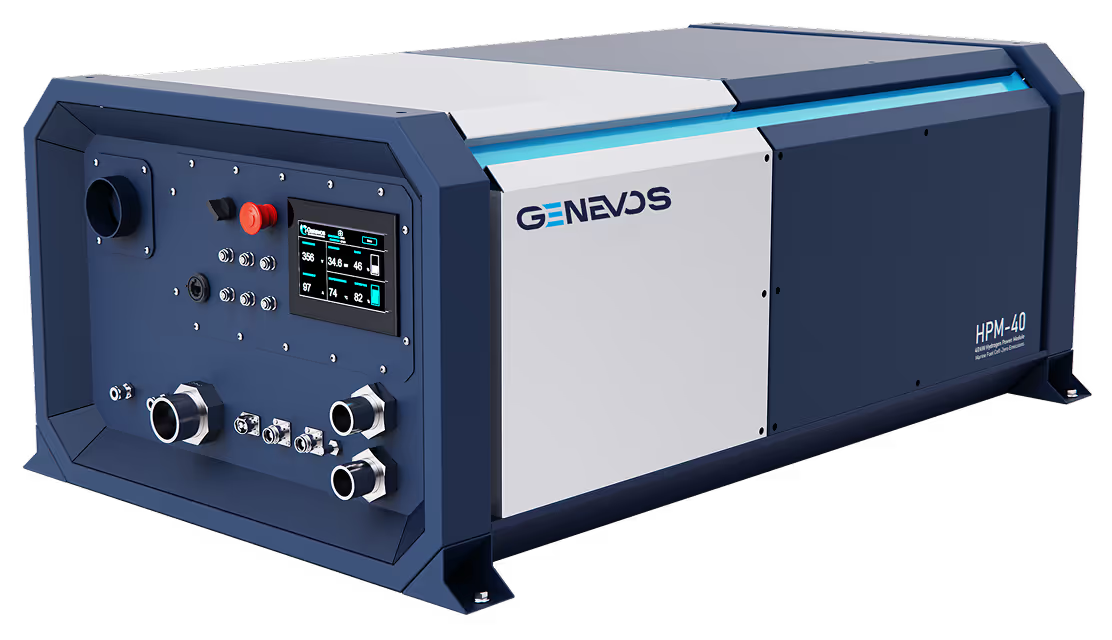
HPM-40
The HPM-40 uses low-temperature Proton Exchange Membrane (PEM) graphite fuel cell technology, delivering high durability and long service life for coastal and inland vessels. Scalable up to 200 kW (superseded by the HPM-250) and powered by hydrogen gas or liquid, it’s a fully integrated, drop-in module complete with a DCDC converter.
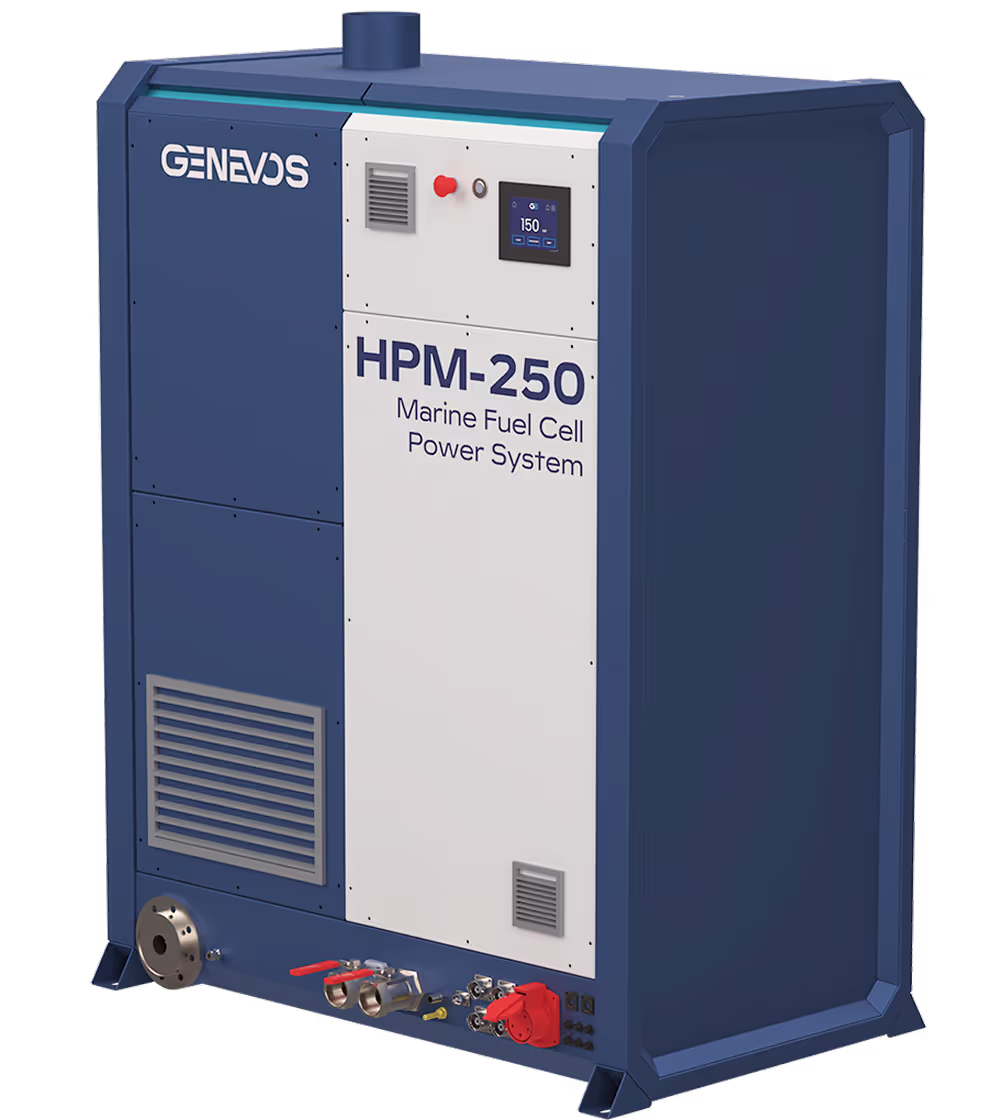
HPM-250
The HPM-250 uses low-temperature Proton Exchange Membrane (PEM) graphite fuel cell technology, delivering ground-breaking power density, high durability, and high efficiency. Scalable to multi-MW needs, the HPM-250 is suitable for offshore applications powered by hydrogen gas or liquid, and is delivered as a fully integrated, drop-in module complete with a DCDC converter.
Services
Genevos delivers a full end-to-end solution for vessels transitioning to clean power, combining in-house simulation tools with expertise in power management, control, and gas systems. Services include system sizing, integration, safety assessment, and hydrogen storage & supply (HSS), along with seamless installation, remote monitoring, optimization, and ongoing support.
fuel FLEXIBLE
LNG, bio-methane, methanol, hydrogen, and adaptable to ammonia
RESILIENT
Exceptional durability and long service life
EFFICIENT
Ultra-high efficiency resulting in reduced OPEX
Fuel savings compared to the latest high efficiency gensets
Reduction in CO₂ emissions compared to combustion engines for LNG fuel
Carbon capture rate achievable due to XPM-100 high purity exhaust stream
Electrical efficiency achievable using XPM-100 solid oxide fuel cell
Zero (NOx, SOx, PM, CH4, N2O)
Break-even on Total Cost of Ownership with >25% savings after 10 years
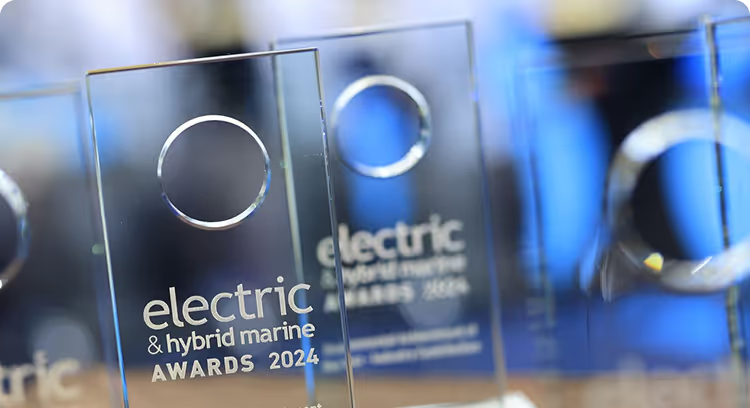
Award-winning solution
Officially recognised as a clean and profitable solution with a positive impact on environment and quality of life
Electric & Hybrid Marine Industry Supplier of the Year
Electric & Hybrid Environmental Achievement of the Year in Propulsion System Design
Electric & Hybrid Hydrogen Breakthrough Technology of the Year Award
Electric & Hybrid Hydrogen Breakthrough Technology of the Year Award
Monaco Prize for Innovation in Renewable Hydrogen and Transportation
Electric & Hybrid Propulsion System of the Year Award
Solar Impulse Efficient Solution Label
Trophée de l'innovation maritime Sud-Ouest / Region Nouvelle-Aquitaine

FAQ

A marine fuel cell is a clean power system that converts hydrogen (or other fuels) into electricity to drive a vessel’s propulsion or onboard systems. Unlike conventional engines, fuel cells produce electricity silently, efficiently, and with zero emissions at the point of use.
We integrate both PEM (Proton Exchange Membrane) and SOFC (Solid Oxide Fuel Cells), each optimized for different marine applications:
- PEM: Fast start-up, ideal for ferries, workboats, and hybrid systems.
- SOFC: High efficiency and longer duration, perfect for large ships and continuous operations.
- Zero emissions: No NOx, SOx, or particulate matter; only water vapor (for hydrogen).
- Quiet operation: Low vibration, improving crew comfort and passenger experience.
- High efficiency: Converts fuel to electricity efficiently, reducing fuel costs over time.
- Flexible integration: Can be combined with batteries, hybrid systems, or renewable energy sources.
- Yes. We specialize in both new builds and retrofits. Our engineers design custom integration solutions that fit the vessel’s size, propulsion system, and operational profile while minimizing downtime.